 English

 Home
Home Hotels
  Car Rental
 Rewards
 Contact
Best Hotels Near Jewish Museum Berlin


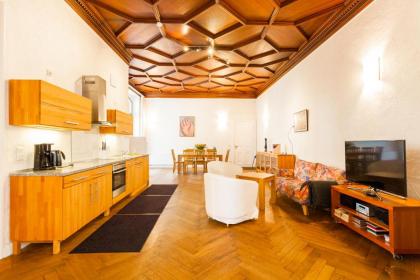
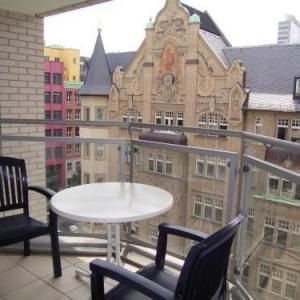
Friedrichstrase 17 Apt. C Berlin (0.3 km from Jewish Museum Berlin)
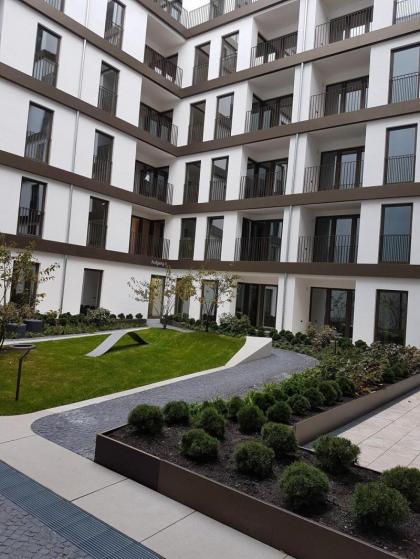
Just 1804 feet from Checkpoint Charlie, this elegant apartment enjoys a central location in Berlin’s Mitte district. It offers a spacious self-catering apartments with free Wi-Fi access in an historical building.
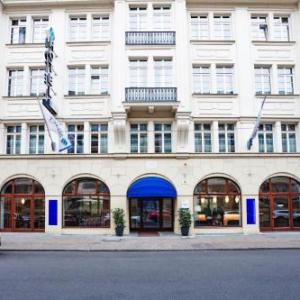
Hedemannstrasse 1112 (0.3 km from Jewish Museum Berlin)
Located in Berlin and within a 9-minute walk of Topography of Terror, Garner Hotel Berlin - Checkpoint Charlie by IHG features a bar, non-smoking rooms, and free WiFi throughout the property.

Waterloo Ufer 8 (0.4 km from Jewish Museum Berlin)
Centrally located a 10-minute walk from the popular Bergmannstrasse street, this apartment rental offers individual rooms in a shared apartment. Rooms are warmly decorated and have access to a shared kitchen. Apartments also have free Wi-Fi.

Waterloo Ufer 8 (0.4 km from Jewish Museum Berlin)
Excellent Apartments Kreuzberg offers top-notch services and amenities, ensuring guests experience utmost comfort. Maintain seamless communication using the complimentary Wi-Fi at apartment.

Alexandrinenstrase 125 (0.4 km from Jewish Museum Berlin)
Located in Berlin, 1.1 miles from Topography of Terror, Hotel the YARD Berlin has accommodations with a garden, private parking, a terrace and a bar. The property is around 1.5 miles from Potsdamer Platz, 1.7 miles from Gendarmenmarkt and 1.
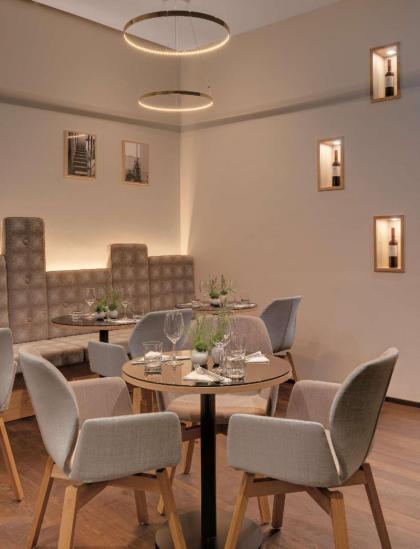

Different Locations In Berlin Fried (0.4 km from Jewish Museum Berlin)
These apartments in Berlin's Kreuzberg district offer free Wi-Fi internet. They are located at Checkpoint Charlie and the Kochstraße Underground Station.

Friedrichstreet 3031 (0.5 km from Jewish Museum Berlin)
Angleterre Hotel Berlin offers top-notch services and amenities, ensuring guests experience utmost comfort. Complimentary internet access is available in the hotel to ensure you stay connected during your visit.
Top 10 Trending Hotels Near Jewish Museum Berlin See all
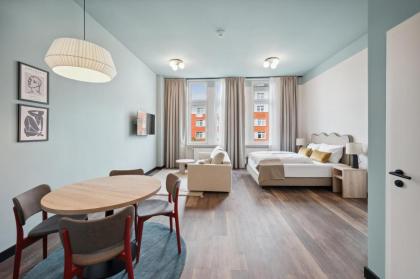


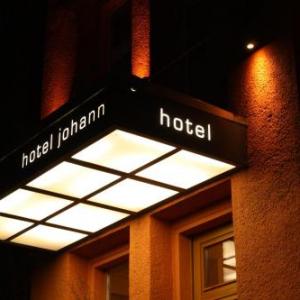

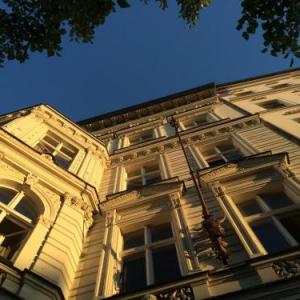
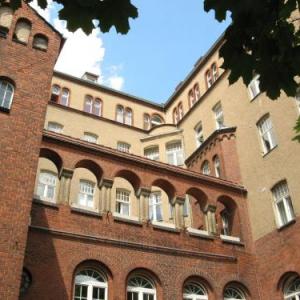
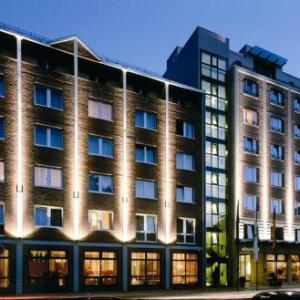

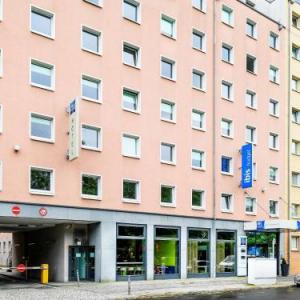
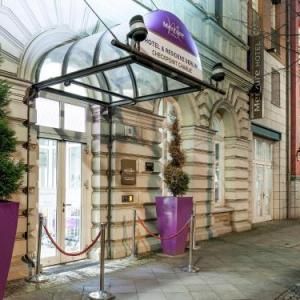
Budget Hotels Near Jewish Museum Berlin See all
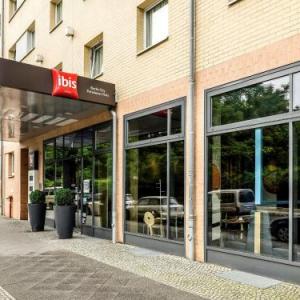
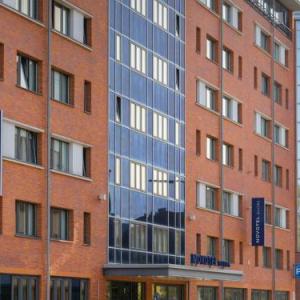




Hotels With Great Access To Jewish Museum Berlin! See all




About Hotels in Jewish Museum Berlin!
The Jewish Museum Berlin is a museum in the German capital of Berlin. It is dedicated to the history, culture and art of Jews living in Germany and Europe from the Middle Ages to the present day. The museum was founded in 1933 as a home for Jewish artifacts that had been confiscated by the Nazi regime, and it was only in 1999 that it officially opened its doors as an independent institution. Since then, it has become one of the most important cultural institutions in Europe, hosting numerous exhibitions and events related to Jewish life and culture.
The museum's permanent collection includes over 4,200 objects reflecting two millennia of Jewish history in Germany and beyond. Highlights include works by artists such as Felix Nussbaum and Max Liebermann; everyday artifacts such as household utensils and religious items; rare prints depicting Jewish life through different eras; documents and photographs related to historical events; modern art pieces; as well as multimedia installations. In addition to its permanent exhibition, the museum also hosts temporary exhibitions focusing on various topics related to Jewish history and culture.
The complex also features a large research center with access to archives containing information about Jews who lived in Germany before World War II, including school records from those deported or killed during the Holocaust. Furthermore, visitors can also find a library with more than 30,000 volumes spanning three centuries of Jewish literature, both fiction and non-fiction. The museum also provides educational programs for students at all levels, from primary school up to university level.
In addition to preserving artefacts that document the past, the museum is also dedicated to promoting dialogue between Jews and non-Jews through its various initiatives such as guided tours discussing current issues affecting both communities today. It organizes debates involving experts on topics ranging from anti-Semitism to contemporary art or music inspired by Jewish traditions. The museum strives to promote understanding amongst different cultural backgrounds and serves not only as an important landmark for Jewish heritage but also as a bridge connecting people with shared history but different perspectives on what it means today.